Introduction
Maintaining the integrity of your roof is essential for a long-lasting home. Over time, roofs can accumulate dirt, moss, algae, and other debris that not only diminish their services for roof cleaning aesthetic appeal but can also lead to severe damage if not addressed. This is where professional roof cleaning comes into play. The question on many homeowners' minds is: is roof cleaning a good idea? In this comprehensive article, we'll explore professional techniques used in roof cleaning, delve into the best methods available, and answer all your burning questions about roof maintenance.
Professional Techniques: How Do Professionals Clean Roofs?
Professionals employ various techniques when it comes to roof cleaning. These methods ensure the longevity and functionality of your roofing materials while also enhancing curb appeal. Let’s break down the process into manageable sections.
Understanding Roof Cleaning
Roof cleaning refers to the removal of harmful substances like algae, mold, and debris from the surface of a roof. These elements can significantly affect the lifespan of your roofing material if left untreated.
Is Roof Cleaning a Good Idea?
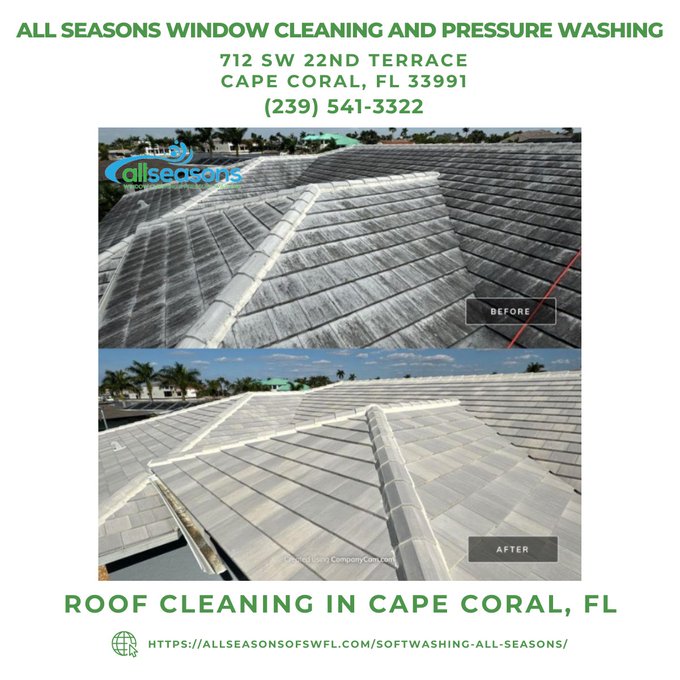
Absolutely! Regularly cleaning your roof can help prevent costly repairs down the line. It enhances energy efficiency by reflecting sunlight rather than absorbing it, which keeps your home cooler in hot weather.
What Is the Best Method of Roof Cleaning?
The best method for cleaning a roof often depends on its material:
- Soft Washing: Ideal for asphalt shingles and tiles. Pressure Washing: Works well on concrete and metal roofs but should be approached with caution. Chemical Treatments: Often used to treat algae or moss infestations.
Each method has its own pros and cons, which we will discuss in detail later.
How Often Should Your Roof Be Cleaned?
Most experts recommend cleaning your roof every 1 to 3 years. However, factors such as local climate conditions and surrounding vegetation can influence this frequency.
Is Pressure Washing Your Roof a Good Idea?
While pressure washing can effectively remove grime, it can also damage roofing materials if not done correctly. It's usually not recommended for asphalt shingles but may be suitable for more durable surfaces like tile or metal.
Can I Clean My Roof Myself?
Yes, you can clean your roof yourself! However, it’s crucial to understand the risks involved—especially concerning falls or damaging your roofing material. Proper safety precautions must be taken.
How Much Does It Cost to Coat a Roof?
Roof coating prices vary widely based on location and material but generally range from $1 to $4 per square foot. This investment can significantly extend the life of your roof.
What Is Roof Cleaning Called?
Roof cleaning is often referred to as "roof restoration" or "roof maintenance."
Can I Walk on My Roof to Clean It?
Walking on your roof is possible but potentially hazardous. If you do choose to walk on it, make sure you have proper footwear and follow safe practices.
How to Make Your Roof Look New?
To rejuvenate an aging roof:
Remove debris. Use a soft wash system. Apply appropriate sealants or coatings as necessary.These steps will significantly enhance its appearance and function.
Understanding Common Issues with Dirty Roofs
Dirty roofs are not just an aesthetic issue; they pose several problems that could lead to costly repairs if neglected.
What Happens If You Don't Clean Your Roof?
Neglecting regular maintenance may lead to:
- Mold growth Structural damage Higher energy bills due to reduced efficiency
What Is Soft Wash Roof Cleaning?
Soft washing involves using low-pressure water combined with specialized detergents that kill harmful organisms like mold and algae while preserving your roofing material's integrity.
Cleaning Methods and Their Effectiveness
Let's dive deeper into various techniques professionals use for effective roof cleaning:
Does Roof Cleaning Extend the Life of a Roof?
Yes! A clean roof increases its lifespan by preventing decay caused by organic growths that trap moisture against the material.
What Is the Best Roof Cleaning Method?
The best method varies depending on several factors including:
- Type of roofing material Degree of contamination Local environmental conditions
List of Common Roofing Materials & Recommended Methods:
| Roofing Material | Recommended Method | |--------------------|----------------------------| | Asphalt Shingles | Soft Washing | | Metal | Low-pressure Washing | | Tile | Soft Washing | | Concrete | Pressure Washing (with care)|
Timeframe for Cleaning Operations
Understanding how long each method takes is crucial for planning your maintenance schedule:
How Long Does It Take to Clean a Roof?
Typically, professional cleanings take anywhere from 2–8 hours depending on size and condition.
DIY vs Professional Services
When it comes down to choosing between DIY efforts versus hiring professionals:
Should I Clean My Own Roof?
If you're confident in handling heights safely Roof Washing and understand how to properly care for roofing materials, DIY may save you money—but be cautious!
Pros vs Cons Table:
| Pros | Cons | |-------------------------------|----------------------------------| | Cost-effective | Risky without proper safety gear | | Control over methods used | Time-consuming | | Satisfaction in DIY success | Potential damage without knowledge|
What Professionals Use for Effective Cleaning
You might wonder:
What Do Pros Use to Clean Roofs?
Professionals typically utilize specialized equipment such as soft wash systems along with eco-friendly chemicals designed explicitly for roofing materials.
Chemical Considerations in Roof Cleaning
Another important aspect involves what chemicals are employed during this process:
What Chemical Is Used To Clean Roofs?
Common chemicals include sodium hypochlorite (bleach) solutions mixed with surfactants that help penetrate grime without harming shingles or tiles.
FAQs About Chemical Treatments:
Is steam cleaning a roof safe?- Steam cleaning can be safe if done properly; however, it’s less common than other methods because it requires specialized equipment.
- Most chemical treatments require approximately 30 minutes before rinsing off effectively.
- Yes! Rinsing helps remove any remaining chemicals that could harm plants below.
- If done improperly (e.g., using high pressure), there’s potential risk; hence it's advisable always to hire professionals or follow safety measures diligently.
- Yes! This ensures thorough cleansing while minimizing chemical residues left behind.
- For rainy climates: soft washing works better since harsh pressure could worsen conditions; dry climates allow more flexibility in choosing methods like pressure washing if needed effectively!
Final Thoughts
In conclusion, understanding professional techniques—how do professionals clean roofs—is essential for maintaining both aesthetics and functionality throughout its lifespan! Regular maintenance not only keeps your home looking sharp but also safeguards against significant issues that could arise from neglect over time! Whether opting for DIY strategies or calling an expert service provider tailored specifically towards these tasks makes all difference!
By now you should have clarity regarding various aspects related directly/indirectly towards effective management concerning cleanliness atop our homes!
Feel free to drop any further questions below; we're happy helping keep those roofs shiny & functional!